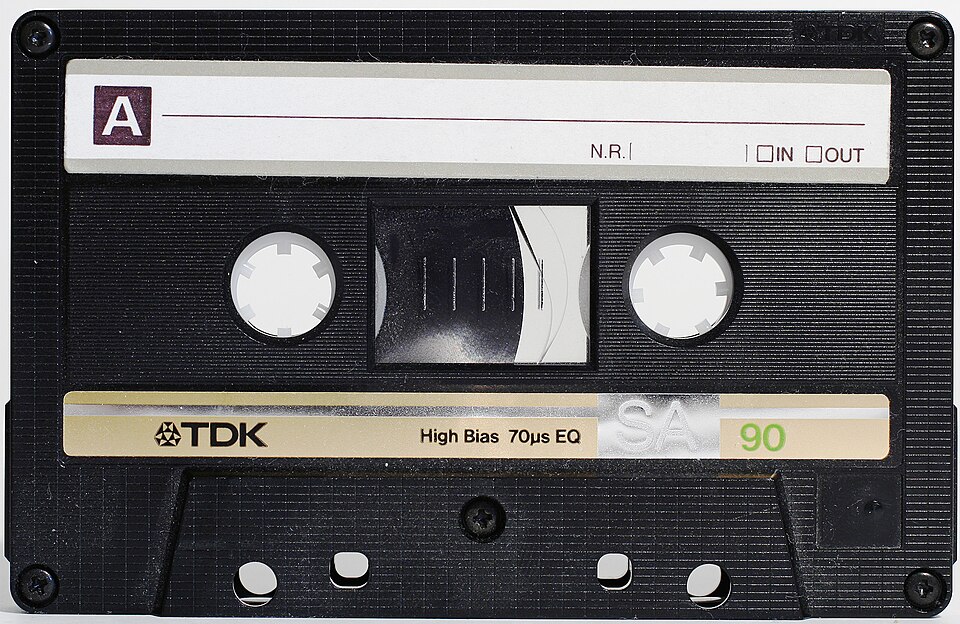
The question artists actually need answered
Most cassette vs vinyl articles compare the listening experience. This one compares the release operations — what it costs, how long it takes, who buys it, and which format makes more sense as a first physical release for an independent artist in 2026.
Cost comparison
| Format | On-demand per unit | Bulk min run | Bulk cost/unit |
|---|---|---|---|
| Cassette | ~$8–12 | 50–100 units | $4–7 |
| Vinyl 12" | ~$18–28 | 100–300 units | $6–10 |
Cassettes are significantly cheaper to produce at every scale. For artists testing physical for the first time, cassettes are the lower-risk entry point.
Lead times
- Cassette (on-demand): 5–10 business days
- Cassette (bulk): 3–5 weeks
- Vinyl (on-demand): 7–14 business days
- Vinyl (bulk): 10–16 weeks
Vinyl pressing plants are still backlogged. If timing matters for a release campaign, cassettes are consistently faster.
Who buys each format
Vinyl buyers tend to be collectors and audiophiles aged 28–50. They value sound quality, gatefold packaging, and limited editions. Vinyl purchases are often deliberate and high-consideration.
Cassette buyers skew younger — largely 18–35, associated with indie, lo-fi, punk, DIY, and bedroom pop communities. Cassettes are bought as cultural artefacts and merch-adjacent items as much as playback formats. Many buyers do not own a tape deck.
Packaging and differentiation
Cassettes allow creative packaging at low cost — J-cards, custom shell colours, stickers, and inserts. A well-packaged cassette at $15–20 retail can outperform a bare vinyl reissue on perceived value for the right audience.
Vinyl has more prestige weight in press and playlist editorial coverage. A vinyl release gets taken more seriously by music journalists and record shop buyers than a cassette.
Which to release first
If you are an independent artist making your first physical release:
- Start with cassette if: your genre is indie, punk, lo-fi, hip-hop, or bedroom pop; you have a tight budget; you want fast turnaround; you want to test physical demand before committing to vinyl
- Start with vinyl if: your audience is established and collector-oriented; you are doing an album rather than a single or EP; you want press coverage and record shop placement
Neither decision is permanent. Artists who start with cassettes frequently follow with vinyl once demand is validated. The operational question is which format lets you learn fastest with the least financial risk.