
SCALED ALPS Interview: Let the Record Take You on a Ride
James Quentin Devine discusses the rapid creation of LET THE ALPINE PLAY, the force of Los Angeles, physical music, BLUE HELL and making art outside the club.

How to Start Collecting Royalties from Your Original Music
A practical Leerecs guide for independent musicians: protect your songs, understand sound recordings versus musical works, register with ASCAP, and prepare your catalog to collect royalties properly.
Marlo B West Takes Manhattan: Look for the Beauty
Theatrical rock from the Lower East Side — Marlo B West Takes Manhattan brings jazz, blues, cabaret, and the Brooklyn Horns to stages across New York City, and finds art in the unexpected.

Hannah Hughes: Welcome to Planet X
NYC one-woman band Hannah Hughes — also known as Planet X Hannah — talks trumpet, guitar, psychedelia, and the debut double EP that brings her self-contained sonic universe into focus.

Minerva: Keep on Dreaming
Filipino alternative rock band Minerva talk about violinist Sky, the origin of their online hit "Alala," and their EP <em>Pangarap</em> — a word that means "Dreams" in Tagalog.
Alagon: Something Irrational, Something Free
Italian progressive metal band Alagon discuss the ancient Greek meaning behind their name, their tarot-concept album, and the "serve the song" philosophy that drives every creative decision.
Joe Paolo: The Dizzying Sensation of Finding Yourself
Singer-songwriter Joe Paolo talks about moving from drums to solo work, co-writing with his childhood best friend, and why the acoustic test is his only quality filter.
Tony Leo: Alien Punk, Alternate Tunings
Tony Leo discusses the alternate tuning behind "Venus," how a coworker's offhand remark named his album, and a musical path from Beatles records to punk to indie.

Faced: What You Hear on the Record Is What You Hear Live
Upstate New York metal band Faced discuss their album <em>Death Trip</em>, the years-long evolution of "Sheep Music," and their commitment to fully organic recording.

Pilot: The Thing That Counts Is the Sound
Belgian alternative rock band Pilot discuss the intuitive guitar approach behind their two albums, why <em>Black Swan</em> came from a real betrayal, and what it means to search for sounds rather than chord names.

Anslee McCrae: Every Song Is for Someone
Anslee McCrae talks about funding her records one piano lesson at a time, the empowerment message behind "Warrior," and why her album <em>Dream Again</em> came from real loss.
Miguel Moreno: Telling People Who He Is
Spanish singer-songwriter Miguel Moreno discusses his band El Rojo Gana, discovering rock at 15, and a new solo phase built around intimate, honest performances for small circles of friends.
Melodramatic Fools: Chemistry Is the Secret
Philippine alternative rock band Melodramatic Fools discuss the Green Day lyric that named them, how "Dying Room" became a song about choosing to bring life into the world, and the mutual support of the Philippine indie scene.
Arunava Roy: Everyday Life Is the Inspiration
Bangalore-based songwriter Arunava Roy discusses his band Roots, the move from Bengali rock to blues and reggae influences, and an album that finds depth beneath a feel-good surface.

Lihim: Wake Up and Move Forward
Metro Manila pop punk and post-hardcore band Lihim discuss forming in 2017, their love-songs-about-pain approach, and building an entirely independent debut EP.
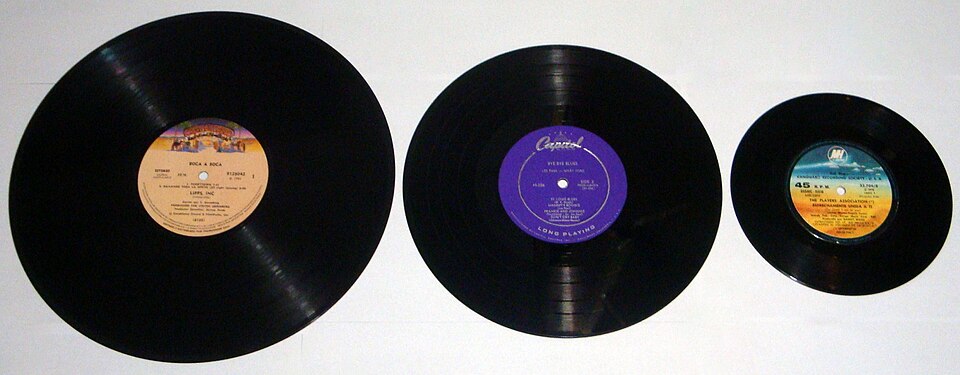
How On-Demand Vinyl Actually Works for Independent Artists in 2026
A practical breakdown of how on-demand vinyl pressing works, what it costs, how long it takes, and when it makes sense vs. a traditional pressing run.
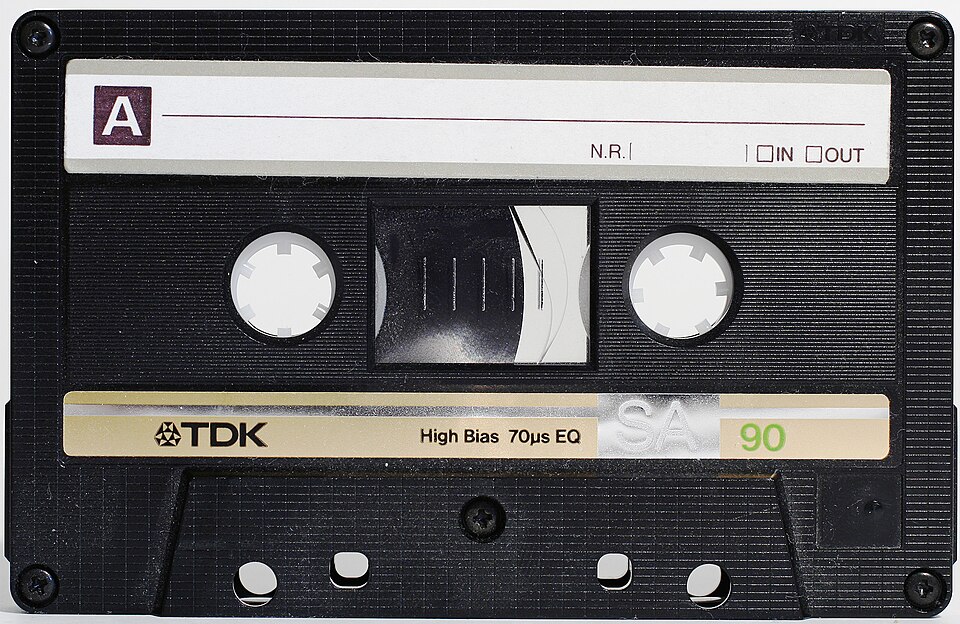
Cassette vs Vinyl for Independent Artists: Which Physical Format Should You Release First?
A direct comparison of cassette and vinyl releases from an artist operations perspective — cost, lead time, audience fit, and which format makes sense to start with.
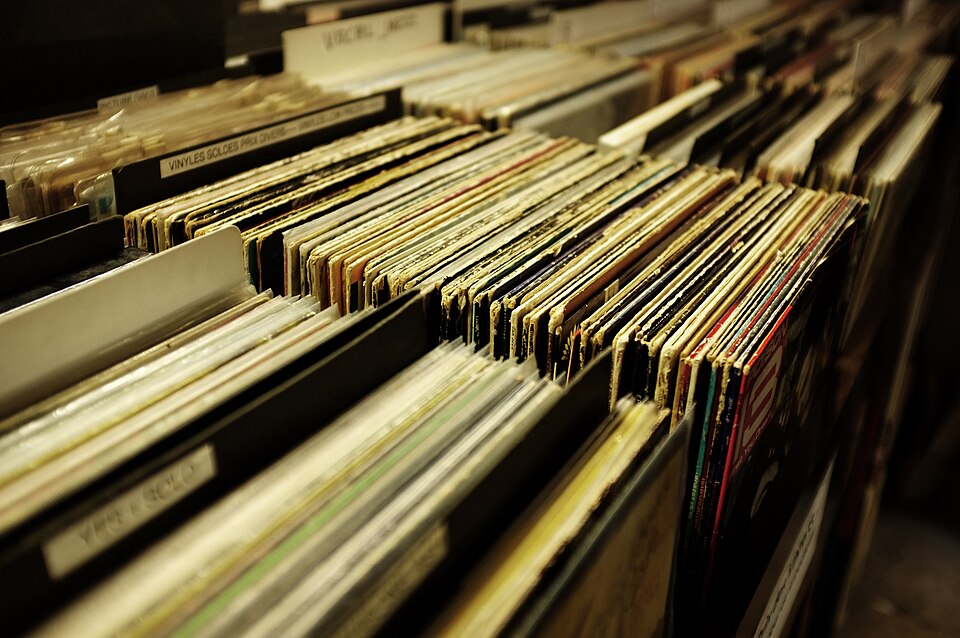
How to Sell Physical Music Direct to Fans Without a Distributor (Zero Inventory Model)
A step-by-step guide for independent artists selling vinyl, cassettes, and CD without a distributor, without holding stock, and without managing fulfilment manually.
Leerecs Interview: Eric Fuentes of The Unfinished Sympathy
Eric Fuentes of The Unfinished Sympathy reflects on raw production, touring internationally, and why imperfection makes music timeless.
My Sister Deaf Sense: Writing About Human Behavior
Madrid-based grunge duo My Sister Deaf Sense talk about forming in 2006, the irony behind "Almost Serious," their album <em>Desert of Believing</em>, and why playing to what felt like a deaf audience only sharpened their focus.
Leerecs Interview: Sean Brennan of London After Midnight
Sean Brennan of London After Midnight on cult status, refusing trends, social justice in gothic rock, and decades of creative independence.
David Tanganelli: A Life in Jump Blues
São Paulo artist David Tanganelli brings 15 years of jump blues, R&B, and soul to his album <em>Up</em> — recorded at Lipe Studios with producer Cesar Bocchini and aimed squarely at stages in Argentina, Europe, and the USA.
Horsewreck Interview: Wyatt James on Writing From the Bass Up
Horsewreck / Wyatt James discusses bass-first songwriting, solo recording, and building a personal emo/pop-punk project from Portland.
Stardust Sonata Interview: Atlanta Rock, Dual Vocals and Up All Night
Stardust Sonata discuss long-running musical friendships, dual-vocal chemistry, and the rapid build behind Up All Night.
The Sky Creepers Interview: Javi Maurino on Stoner Rock Built for Two
Javi Maurino explains The Sky Creepers' two-piece heavy setup, split-signal guitar rig, and album-minded desert-rock approach.
Chris Marsol Interview: The Fear, Anxiety and Time Is the Circus
Chris Marsol discusses The Fear, lockdown anxiety, and the difficult process that shaped Time Is the Circus.
John Hawkins Band Interview: Offshore Work, Concept Albums and the Drive to Finish
John Hawkins discusses Tidewater, offshore life, and the solo DIY workflow behind a nine-song concept album.
Gonzo Interview: Dirty Army, The Buzz Lovers and the Energy of Nirvana
Gonzalo "Gonzo" discusses his dual role in The Buzz Lovers and Dirty Army, connecting tribute performance energy with original-rock momentum.
Ricardo Frutuoso Interview: Returning, Beauty and Recording on a Phone
Ricardo Frutuoso reflects on aesthetics, Voltando, and creating through lockdown constraints after recording hardware failed.
Matt Newell Interview: Country Music, Russia and Between the Living and the Dead
Matt Newell discusses recording country-rooted material in Russia, theological songwriting, and the EP Between the Living and the Dead.
Pat Gasperini Interview: Songwriting, Production and the Long Game
Pat Gasperini shares practical lessons on writing, pre-production, and sustaining long-term output as a producer-songwriter.
Tayla Rees Interview: Christmas Memories, Pop Soul and Writing With Pat Gasperini
Tayla Rees discusses holiday co-writing with Pat Gasperini and shaping personal family traditions into a memory-driven release.
Greg Kasper Interview: Indie Folk, Home Recording and Songs That Stay With You
Greg Kasper discusses home recording workflows, doubled-vocal texture, and balancing songwriting with full-time social work.
Cold Weather Kids Interview: Stolen Summer and the Pop-Punk Sound of Lost Time
Ryan Scottie discusses dual-lead vocals, home-studio continuity, and pandemic catharsis in Cold Weather Kids' Stolen Summer.
Geoff Alexander Interview: Music, Coffee and Creative Entrepreneurship
Geoff Alexander discusses entrepreneurship, River Moon Wellness, and how practical business structure can protect long-term creative work.
Tal Babitzky Interview: Sisters and Brothers, Film Music and Persistence
Tal Babitzky discusses Sisters and Brothers, composition craft, and long-cycle persistence across songs, albums, and scoring work.
Travis Shallow Interview: Let It Pass and the Independent Songwriter's Long Road
Travis Shallow shares an independent artist operating model spanning DIY production, selective outsourcing, and live-stream community building.
Joao Brandi Interview: Purple Eyes, Blues Roots and Musical Freedom
Joao Brandi discusses Purple Eyes, classic blues-rock lineage, and why independent artists need rights and royalty systems in place early.
Paraline Interview: Light Andersen on Russian Metal With a Western Edge
Light Andersen discusses building Paraline in Moscow, pursuing international production standards, and prioritizing originality over imitation.
Waves In Autumn Interview: Davide Cavaioli on Nature, Metalcore and Building a Tribe
Davide Cavaioli discusses Waves In Autumn's nature-symbol concept, single-by-single strategy, and community-driven heavy music ethos.
Handsome Karnivore Interview: Cinematic Rock Without Boxes
Franco discusses Handsome Karnivore's song-first production philosophy, progressive-cinematic rock evolution, and long-game persistence.